Planning on studying abroad, or even considering it? Here are 12 things you will absolutely, maybe, definitely, probably need.
1.Funding

According to the Institute of International Education for the 2012-2013 academic year, the average cost of studying abroad for one semester was $17,785. DON’T PANIC. Many programs can cost much less, depending on the country, time of year, length of program, financial aid from a university, scholarships (#TERRYON), paid internships abroad, and more. Before you give up on studying abroad because of the fear that you can’t afford it, do some research and talk with the study abroad office at your university. Odds are, there is a program that can fit in your budget.
2. Smart packing

The best rule of thumb is to pack what you think is needed, and then cut that in half. (TERRIFYING, I KNOW. Where will your 3 pairs of Chacos fit?) There are a few ways to go about packing for a trip. For my 6 week trip to Italy, I packed 6 shorts/pants and 8 shirts, 3 pairs of shoes and a black versatile dress. For those of you who struggle with math (as I do), that’s approximately 50 outfits, which fit in a small checked bag and a backpack. Another way, that my professor once told me, is to pack things you wouldn’t mind leaving, so that if you collect things along the way you can trade precious suitcase space. Also consider the location, weather, amount of daily walking, and even the condition of the roads. Your favorite pair of black heels will not fare well on the cobblestone streets of Rome. In fact, bring a VERY comfortable pair of walking shoes. You’ll thank me later. For a more in-depth outline of some packing ideas, click here.
3.Research

“Somewhere, something incredible is waiting to be known.” – Carl Sagan
What is the current culture like? What is inappropriate to wear? Is the water safe to drink? Many questions that you may have about a particular country or study abroad program can be found *gasp* on your own. The internet has a peculiar way of having 99% of the information we need, if the willingness to look for it is there. Write down a list of questions that you have about a country or city and try to find the answers online. The answers that you cannot find should be taken to a study abroad advisor, who may have even visited the place you’re interested in and could have insight to questions you haven’t thought of yet.
4. Currency exchanged

Most programs advise that you have cash on hand before you enter a country. Since most countries use predominately cash, you may need this the moment you step out of the airport to get to your next destination. Most banks, post offices, and airports have the ability to exchange currency, but I would recommend researching the charging rates of each place. From my experience, banks and post offices were expensive, often charging a 15% commission. I found a travel agency that exchanged for a flat $5 rate (good price), but airports seemed to be the fastest, most convenient place.
*BEWARE* of converting cash in different countries. Not only can the foreign fees for your bank be horrendous (call your bank at least 2 weeks prior to let them know you’ll be traveling), but many free-standing ATMs are dangerous, and can put you and your money at risk. ATMs that are attached to banks are the safest route, and may also be guarded. Always cover your card and pin number, and be aware for pick-pocketers around the area. Click here for today’s currency rates across the world.
5. Your passport
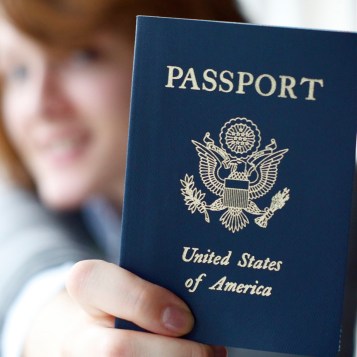
It can often take weeks for a passport application to be processed, completed, and sent back to you. Give yourself ample time in case something goes wrong with the application, and treat it like a fragile child when it arrives. Worn, old, or torn passports may not make it through customs. If you have a safe, secure place to store your passport where you’re staying, make two copies of it and carry one copy around with you, and another in a different safe place. It’s also a good idea to have a copy in your email files somewhere, as well as your ID, insurance cards, etc., in case you lose everything and need to get back home. The more stamps, the better.
6. A water bottle

After first finding out whether or not the water is safe to drink, then comes the problem of storing and carrying it. An empty water bottle will pass through security and customs, and from there you have a way to keep yourself hydrated on long walks. Which you will have. Bring comfortable shoes. This is your second warning.
7. Electronic adapters
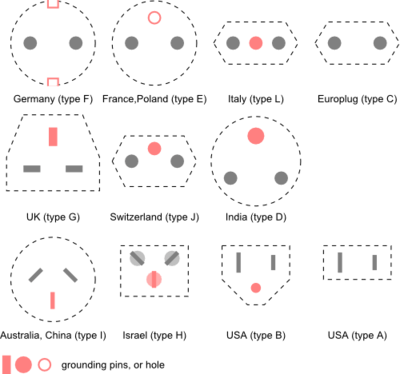
Studying abroad is full of adventures, but you’re still there to *sigh* study. You may or may not need your laptop for your program, but I highly doubt anyone will go without their phones. It’s important to research ahead of time the types of plugs you will need, especially if you’re doing a tour of Europe, in which you will need multiple plugs. Major electronic chains such as Best Buy will normally have a “world travel” kit. Appliances such as hair dryers, straighteners, or curling irons will often not work, even with an adapter. If your stay justifies the need for it, you could purchase one at your end destination. If not, the lack of heat application will mean your hairdresser will rave over how healthy your hair looks the next time they see you.
8. A medium of recording memories

Bring a camera, a laptop, or even a journal. Take an awkward selfie by every major tourist attraction. Don’t forget to live in the moment, but find a way that you can remember the little experiences you have, so that you may share them with your friends back home. I think it’s very clear which one I’ve chosen, but the possibilities are limitless.
Thinking about getting sand from every beach you visit? A tip from Emily Bowling: It may have to pass as a claimed item through customs and security as a soil or agricultural item. (This is because it could bring harmful microorganisms back into your state.) Read more on which items could possibly cause you problems through customs here.
9. Some basic phrases of the language

Even with the promise of an American university with english-speaking professors, I am still in the most ancient neighborhood of Rome. Very few people speak English, and even fewer know more than simple phrases. Ordering food and asking for directions can be difficult if you are not aware of some simple phrases used in the country of your program. Not only will it make your life easier, but the people of the country will appreciate the effort of attempting to learn some of their language.
10. A knowledge of the laws

Is it illegal to throw away a plastic bottle that could be recycled? Could you be arrested for jokingly “heiling Hitler” in Germany? Or talking badly about the kind in Taiwan? It is advised to review some laws about the country, so that you don’t get yourself into trouble. American law is based on “Innocent until proven guilty, with the burden of proof on the government”. However, the majority of countries are based on “Guilty until proven innocent, with the burden of proof on yourself”. Knowing some base laws and regulations can help avoid situations that could end up with jail time. Which brings me to my next point…
11. Awareness and common sense

Do not walk around alone, especially at night. Avoid alleys that you can’t see through to the other end. Do not keep your wallet or phone in your back pockets. Be aware of loud distractions that are meant to be a cover for thieves. Do not keep all of your valuables in one spot. Try to not look and sound like an obnoxious American tourist in hopes of not being targeted by pick-pocketers.
Use these common sense rules and others to keep yourself safe. Other countries don’t have to be scary, as long as you take precaution about the things you wear, say, and do. My mother always tells me, “An ounce of prevention is equal to a pound of cure.” Look online ahead of time to see what hand signals, apparel, eating habits or facial expressions might come off as rude or offensive.
12. An open mind

There are some things that will probably shock you, knock you on your tail-end, or even scare you. WELCOME to the world of the unknown – glad to have you. Hopefully it does not come as a surprise to you that there are many different cultures that do things differently than the ole US of A. In fact, if you’re already planning your study abroad trip, your parents, aunt or grandma has probably forwarded you some links about pick-pocketers or the city’s crime rate. (Looking at you, mom.) The answer to all of your questions? Yes. You will probably get lost. You will go to dinner and have no idea what you’ve ordered until it arrives. You will break out of the comfort zone INSIDE your comfort zone that you did not even know existed. It will change your life. You will laugh. You will cry. You will meet new friends. You will miss the ones at home. But at the end of the program, you will come back changed.
“But Hannah,” you say, “I know who I am, and I won’t change from those beliefs.”
My response? I’m sorry. I hope you use this experience to better yourself, instead of a challenge of how stubborn and closed-minded you can be. Open up your horizons. Engage in conversation with those that think completely different from yourself. EXPERIENCE culture firsthand, in ways that other people only have pinterest boards about. Live in the moment. Live lightheartedly. *winks*
Hopefully, WHEN you go to speak with your study abroad advisor, you’ll have a better idea of what questions to ask or information to search for. Safe travels, my friends.
Until next time, arrivederci.
I’m looking forward to sharing more adventures this summer. Stay tuned on my blog, or my sassy Snapchat or Twitter @fannah_hord

Hannah Ford
Texas Tech University – agricultural communications major
 TurnRow Media